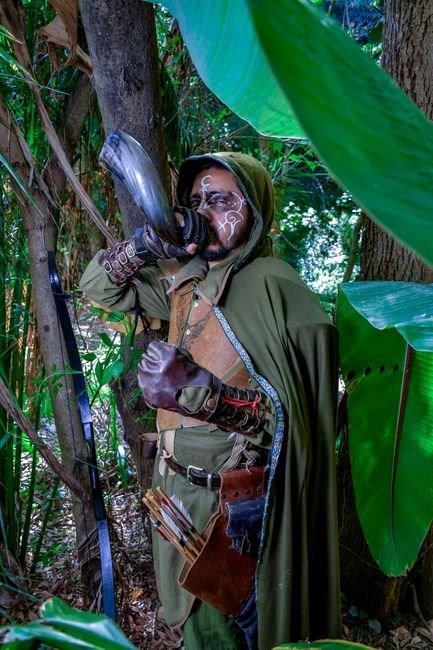
Fletching in EverQuest lets players craft arrows, bolts, and bows, turning raw sticks, arrowheads, and feathers into essential ranged gear. Mastering this skill unlocks higher‑quality ammunition, boosts combat efficiency, and opens lucrative crafting opportunities across Norrath for players.!!!!!!!
Required Skill Level and Training
Fletching starts at level 1, but useful arrows require a minimum skill of 50. Players begin with the first trainer near towns like Neriak, Qeynos, or Rallos. Trainers give a brief tutorial on selecting a stick, attaching an arrowhead, and adding feathers. The lesson costs 10–20 gold and grants a modest XP boost!
After the introductory session, the next step is to gather the necessary materials. While skill is learned through training, proficiency grows by repeated crafting. Each successful arrow awards experience that gradually raises the fletcher’s skill; Early levels (1–200) grant 10–15 XP per arrow; higher tiers (200–500) yield 5–8 XP, so consistent practice accelerates progress!!
Advanced training is offered at the Guild of the Hammer in Qeynos. Seasoned fletchers provide lessons that unlock bonus experience multipliers and teach advanced techniques such as “double‑feather” and “tipped arrow” construction. These courses help players reach the maximum skill of 1000 faster, enabling premium ammunition for quests and PvP.
Keeping a log helps track materials and experience. Noting which combinations yield efficient skill gains lets players focus on recipes. Joining the Fletchers’ Guild provides resources and quests that grant rare materials!!!
Core Materials Needed
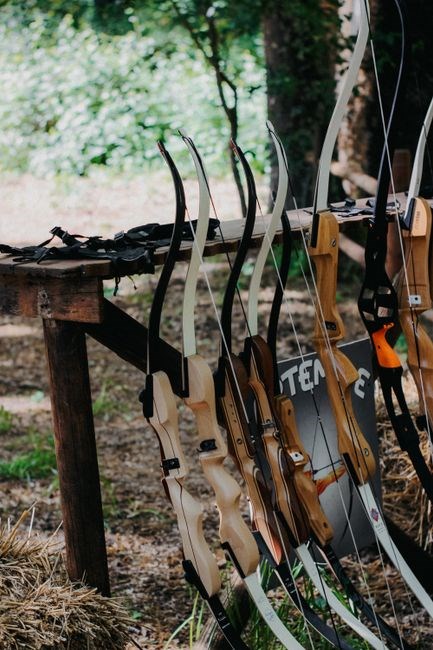
Sticks, arrowheads, and feathers are the three pillars of fletching. Sticks come from trees or crafted from wood. Arrowheads range from bronze to obsidian, each affecting damage. Feathers, sourced from birds, determine range and accuracy. Gather wisely! and profit.!!!!
Sticks
Sticks are the core of every arrow and bolt you forge. They come in various sizes and qualities, each influencing the final performance of the projectile. The most common source is the humble oak or pine log, which can be split and shaped into a standard 12‑inch stick with a simple saw or a more refined 10‑inch stick for high‑end bows. In the early game, players scavenge sticks from the forest or purchase them from general stores in major cities like Neriak or Riften. As you progress, you’ll find certain trees yield premium sticks: the silverwood tree in the Emerald Dream gives a lightweight yet durable option, while the blackwood tree in the Shadowlands offers a heavier, more resilient stick that can absorb greater impact. Crafting sticks yourself is rewarding; you can use the “Wooden Stick” recipe in the fletching skill tree, which requires a basic “Wooden Log” and a small amount of “Toughness.” The resulting stick can be used in any standard arrow recipe, but if you pair it with a high‑quality arrowhead and feather, you’ll produce a superior projectile that boasts faster travel speed and higher damage. Certain special sticks, such as the “Ebonwood” stick, can be combined with enchanted arrowheads to create magical arrows that deal elemental damage. When deciding which stick to use, consider the type of bow: a longbow benefits from a longer, lighter stick for range, whereas a shortbow works best with a shorter, sturdier stick for quick, close‑range shots. Durability can be boosted by oils!
Arrowheads
Arrowheads are the core of any projectile, shaping damage, penetration, and special effects. In EverQuest, they range from basic iron tips to exotic crystal‑infused designs. The simple iron arrowhead, made with iron ore and a touch of blacksmithing skill, offers a low‑cost, reliable option for beginners. As you level, recipes unlock steel, silver, and mithril heads, each adding incremental damage and durability. Players seeking magical impact use the “Elemental” series—fire, frost, and shock—paired with elemental feathers for extra damage or status effects. The prized “Dragonbone” and “Ebonsteel” heads need rare materials like dragon scales or black iron, granting high damage and armor‑bypassing chance. Crafting arrowheads demands a fletching level of at least 20 for iron, 40 for steel, and 60 for advanced types. The market keeps demand high, as ranged classes constantly need fresh ammunition. When choosing a head, match it to the bow’s range and target’s armor: lighter heads excel against armored foes, heavier heads favor unarmored enemies. Pairing the right head with a suitable stick and feather boosts projectile effectiveness, making the fletcher’s skill valuable for any adventurer. Collectors chase rare heads for display; some guilds produce limited‑edition arrowheads that fetch premium prices. Certain quests reward unique heads that can craft legendary weapons. Mastering arrowhead creation not only boosts combat but also provides a steady income stream for the industrious crafter!!
Feathers
In the sprawling world of Norrath, feather gathering is more than a simple task; it is a strategic component of a fletcher’s livelihood. Experienced hunters know that the best feathers are often found in the most dangerous zones, where the risk of combat is high but the reward is even higher. For instance, the deep caverns of the Underdark are home to the elusive “Shadow‑Feather,” a rare variant that grants a 15% chance to silence a target upon impact. The high‑altitude cliffs of the Storm Peaks yield the coveted “Storm‑Feather,” which can be used to craft arrows that pierce even the toughest armor. Players who master the art of feather collection often form alliances, pooling resources and sharing information about the best hunting spots. These alliances can coordinate large‑scale hunts, ensuring that each member receives a fair share of the spoils. Additionally, the game’s economy rewards those who can anticipate market trends; by studying the price fluctuations of feathers during seasonal events, a savvy fletcher can time their harvests to maximize profit. Some guilds even offer a “Feather Exchange” program, where members can trade surplus feathers for rare crafting materials or unique gear. By combining skill, knowledge, and community support, fletchers can turn feather gathering into a lucrative and sustainable source of income, allowing them to focus on creating the finest arrows and bows for the adventurers of Norrath. Thus, mastering feather gathering not strengthens a fletcher’s arsenal but secures a stream of wealth in Norrath!!

Fletching Recipes Overview
Fletcher recipes span basic arrows to advanced types, each needing sticks, arrowheads, and feathers. A standard arrow uses 1 stick + 1 head + 3 feathers, while elite versions require exotic heads and rare feathers for higher damage and special effects. and swift!
Basic Bow Components
In EverQuest, crafting a basic bow is the first step toward mastering ranged combat. The process requires three primary materials: sticks, arrowheads, and feathers. Sticks are harvested from trees across Norrath; common varieties include oak, pine, and willow, each offering different durability and weight. Oak sticks provide a sturdy base, pine sticks are lighter and easier to bend, while willow sticks give a flexible shaft ideal for quick draws. Arrowheads come in several basic types—steel, iron, and bronze—each affecting the bow’s damage output and penetration. Steel arrowheads are the most common and provide a balanced mix of damage and cost. Iron arrowheads are cheaper but slightly less effective, whereas bronze arrowheads offer a moderate boost in damage at a higher price. Feathers are collected from birds such as sparrows, hawks, and eagles; a standard bow requires a minimum of three feathers per stick, and using higher quality feathers (e.g., eagle feathers) can improve accuracy and range. The crafting sequence begins by selecting a stick, attaching an arrowhead, and then fletching with feathers. Players must ensure the correct ratio of materials to avoid wasted resources. For beginners, it is advisable to start with oak sticks, steel arrowheads, and sparrow feathers, as these are readily available and inexpensive. As skill improves, experimenting with pine or willow sticks and bronze arrowheads can yield better performance; Proper storage of materials in a well‑organized inventory prevents loss during quests or PvP encounters. Keep your inventory organized for ess during crafting.now
Advanced Arrowheads
Advanced arrowheads in EverQuest are crafted from high‑quality materials such as obsidian, mithril, or crystalline alloys. Each type offers distinct benefits: obsidian arrowheads provide a cutting edge that can bypass light armor, mithril arrowheads are lighter and grant a higher rate of fire, and crystalline alloy arrowheads can temporarily stun or immobilize targets upon impact. To produce them, a player must first acquire a base arrowhead through standard fletching, then apply a special coating or alloy using rare reagents such as dragon scales, silver dust, or enchanted crystal shards. The process requires a minimum of 150 skill points in the Fletching skill, and the crafting time increases by 25% compared to basic heads. A single obsidian arrowhead may require 10 units of obsidian, 5 units of dragon scale, and 3 units of silver dust, while a crystalline alloy head demands 8 crystal shards, 6 silver dust, and 4 dragon scales. Players often trade these rare arrowheads on the market for high profits, especially when targeted at guilds or raid groups that need specialized ammunition. These arrowheads can fetch between 200 and 500 gold each, depending on rarity and demand. Additionally, guilds often pay high prices for ammunition during raid preparations. Mastering advanced arrowheads enhances combat effectiveness and opens new avenues for profit and reputation within the EverQuest community. It is crucial to keep a well‑organized inventory, as components are fragile and can be lost in combat.

Skill Progression and Experience
Fletching experience is gained by crafting items, completing quests, selling goods. Crafting yields skillpoints, with higher quality items providing more experience. The skill curve slows after level 200, requiring many more crafted pieces. Players use quests and events for bonus experience. Guild membership offers daily bonuses and exclusive recipes. Consistent crafting and guild participation accelerate progression.Fletching experience is gained by crafting items, completing quests, and selling goods. Each crafted item grants skill points, with higher quality items providing more experience. The skill curve slows after level 200, requiring many more crafted pieces. Players use quests and events for bonus experience. Guild membership offers daily bonuses and exclusive recipes. Consistent crafting and guild participation accelerate progression.Fletching experience is gained by crafting items, completing quests, and selling goods. Each crafted item grants skill points, with higher quality items providing more experience. The skill curve slows after level 200, requiring many more crafted pieces. Players use quests and events for bonus experience. Guild membership offers daily bonuses and exclusive recipes. Consistent crafting and guild participation accelerate progression.Fletching experience is gained by crafting items, completing quests, and selling goods. Each crafted item grants skill points, with higher quality items providing more experience. The skill curve slows after level 200, requiring many more crafted pieces. Players use quests and events for bonus experience. Guild membership offers daily bonuses and exclusive recipes. Consistent crafting and guild participation accelerate progression.Skill boosts fast Skill mastery!

Gathering Locations
Fletching relies on three core materials: sticks, arrowheads, and feathers. Each material is harvested from distinct zones across Norrath, and knowing the most efficient spots can dramatically reduce travel time and increase profit margins. Below is a concise guide to the primary gathering locations for each component, along with tips on optimal harvesting times and companion bonuses.
- Sticks: Sticks are best gathered in the Forest of the Dead and the Wilderness of the Wild. In the Forest of the Dead, the Deadwood Tree yields sticks when cut with a Woodcutting skill of 40+. The Wilderness of the Wild offers abundant Oak Sticks from Oak Trees, especially during the Nightfall cycle when the trees are more abundant. Using a Hawk companion increases yield by 15%.
- Arrowheads: Arrowheads are primarily harvested from the Giant’s Graveyard and the Shattered Plains. In the Giant’s Graveyard, Giant Bones can be broken with a Smithing skill of 60+ to produce basic arrowheads. The Shattered Plains feature Stone Spikes that, when mined with a Mining skill of 70+, yield high‑quality arrowheads. A Raven companion provides a 10% chance of finding rare variants.
- Feathers: Feathers are most commonly collected from the Skyreach Peaks and the Raven’s Nest. In Skyreach Peaks, Raven Feathers drop from Raven mobs during the Midnight hour, while the Raven’s Nest offers a steady drop of Feather Piles that can be harvested with a Gathering skill of 50+. Using a Falcon companion boosts feather yield by 20%.

For players seeking to maximize efficiency, it is advisable to combine these locations into a single route: start in the Forest of the Dead for sticks, head to the Giant’s Graveyard for arrowheads, and finish at Skyreach Peaks for feathers. This sequence minimizes backtracking and takes advantage of the natural progression of skill requirements. Additionally, many guilds offer Gathering buffs that temporarily increase material yield by up to 25%, so coordinating with guild events can further enhance your gathering output.

Market Value and Profits
Fletching yields a steady income stream, especially when you focus on high‑demand items. The most profitable products are typically the Superior Arrows and Longbows, which sell for 15–20 gold each in major cities like Norrath and the Shattered Plains. Basic arrows fetch 5–8 gold, while bolts average 3–5 gold. Bows vary widely; a Fine Bow can command 25–35 gold, whereas a Masterwork Bow may reach 50–70 gold on the open market.
Profit margins improve dramatically when you craft items at higher skill levels. A 70‑skill Fletching artisan can produce Enhanced Arrowheads that sell for 12–15 gold each, compared to 8–10 gold for standard heads. Similarly, a 80‑skill Fletching player can craft Elven Bows that fetch 40–55 gold, a significant jump from the 25–35 gold range for lower‑skill bows.
Market trends shift with expansions and patches. For instance, the recent Shattering of Ro update increased demand for Ranged Weapon Enhancements, pushing arrow prices up by 10%. Monitoring auction house data and participating in guild trade events can help you stay ahead of price swings. Additionally, selling bundles—such as a set of 10 arrows or a full bow kit—often yields a 5–8% bonus over individual sales.
To maximize profits, consider the following strategies: 1) Focus on high‑skill items; 2) Keep an eye on auction house trends; 3) Use guild discounts on raw materials; 4) Bundle items for premium pricing; 5) Trade with other guilds during peak market hours. By combining these tactics, a dedicated fletcher can earn 200–300 gold per hour in a bustling city, making fletching a lucrative side profession in EverQuest.
Seasonal events such as the Harvest Festival and Winter Solstice often boost arrow sales by 15–20% as players prepare for PvP and raid gear. Crafting during these periods can double your hourly earnings if you time your sales right; Moreover, investing in Fletching Enhancements like the Precision Kit reduces material waste by 10%, allowing you to produce more arrows per batch and increase overall profit.
Scaling your operation involves purchasing bulk sticks and feathers from the Marketplace at discounted rates, then using a Bulk Fletching script to automate production. This method saves time and reduces the need for manual crafting, freeing you to focus on market analysis. Remember that the cost of raw materials fluctuates; buying during off‑peak hours can lower your input costs by up to 12%, directly boosting your net profit margin.
Guild cooperation can also enhance profits. By pooling resources, guild members can share rare materials like Dragonbone for high‑tier bows, reducing individual costs. Additionally, guilds often host Crafting Contests that reward top producers with gold bonuses and rare items, further increasing overall earnings.
Finally, always keep an eye on the Guild Market and the Player Auction House for price spikes. A quick scan every 30 minutes can reveal opportunities to sell at premium rates, especially during server resets or major content drops.
By mastering these tactics, you can transform fletching from a hobby into a reliable income source, ensuring your character remains well‑equipped and your bank account steadily grows.
Remember, consistency beats occasional bursts; steady crafting and market monitoring yield the best long‑term returns.
Common Mistakes to Avoid
Fletching in EverQuest is a skill that rewards patience and precision. New players often make mistakes that waste time, gold, and skill points. Below are the most common pitfalls and how to avoid them.
- Ignoring skill requirements: Crafting above your level wastes materials and experience.
- Using low‑quality sticks, arrowheads, or feathers: Inferior components produce poor arrows that sell poorly.
- Over‑compounding recipes: Adding extra parts can backfire and produce lower‑tier items.
- Neglecting market trends: Selling during low demand leaves inventory unsold.
- Failing to batch craft: Crafting one item at a time is inefficient.
- Always double‑check the recipe before crafting to avoid mis‑entries.
- Keep your inventory organized to quickly locate needed materials.
- Use the crafting log to track which items yield the best experience.
- Set up a dedicated crafting station to reduce item loss.
- Monitor in‑game news for material availability changes.
- Adjust recipes based on failure patterns noted in your logbook.
Consistency is key; a steady crafting rhythm keeps your skill level climbing and inventory stocked. By staying attentive, you’ll avoid costly missteps and maintain a reliable supply of arrows and bows for the community. Regular updates may unlock new materials daily.

Advanced Techniques
After mastering the basics, veteran fletchers use several advanced methods to boost XP and profit. The following techniques are proven to elevate your crafting efficiency.
- Ingredient Optimization: Use premium sticks, arrowheads, and feathers to produce higher‑tier arrows that sell for more and grant extra XP.
- Batch Crafting: Craft in groups of ten or twenty; consecutive recipes give a small XP bonus and reduce overhead.
- Skill‑Boosting Gear: Equip items like Fletcher’s Gloves or Archer’s Cape to temporarily raise your fletching skill.
- Market Timing: Craft during peak auction hours to sell quickly and fetch higher prices.
- Recipe Tweaks: Add a rare component (e.g., Silk Thread) to a standard recipe for a special “Enchanted” tier that doubles the sale price.
Consistently applying these strategies will raise your skill level, increase earnings, and keep you competitive in the EverQuest crafting market.
To further maximize profits, consider the following: buy low‑priced raw materials during off‑peak hours, then sell finished arrows when demand spikes. Keep an eye on guild events that reward rare components; these can be used to create premium arrows that fetch double the usual price. Track your crafting log to identify which recipes yield the highest XP per material cost, and adjust your focus accordingly. Profit!!

Fletching-Related Quests
Several quests reward fletchers with unique recipes, rare materials, or skill boosts. Popular ones include “The Arrow of the Dawn,” “Feathered Fortune,” and “Sticks of the Wild.” Each quest gathers specific components, tests precision, and often requires a mini‑crafting challenge;
In “The Arrow of the Dawn,” collect 50 Sunlit Feathers from Dawnwood Glade, combine with a standard arrowhead, and craft radiant arrows. Reward: permanent +5 skill bonus and a special “Radiant Arrow” recipe that adds extra damage to undead.
“Feathered Fortune” asks for 30 Storm Feathers from Skyreach Peaks. Crafting these into storm arrows yields a unique recipe that boosts critical hit chance. Completing the quest unlocks a stash of rare feathers that sell well.
“Sticks of the Wild” requires 40 Wildwood Sticks from Verdant Wilds. Crafting “Wildwood Arrows” gives a temporary speed boost for 24 hours. Quest also grants a one‑time “Wildwood Bow” that deals extra damage to beasts.
These quests expand your recipe library and market value. Completing them efficiently yields gold and skill gains, making them worthwhile for any dedicated fletcher. By mastering each quest, you unlock exclusive recipes that produce high‑demand arrows, boosting your reputation among guilds and traders alike. The increased income allows you to invest in rare materials, further enhancing your crafting output and ensuring a steady stream of profit. Your name spreads, drawing elite clients for rare.